Quick Answer: The best cultural experiences in Zanzibar are a guided walk through Stone Town, a spice farm tour, a village visit, a Swahili cooking class, a sunset sail on a traditional dhow, live taarab music, and the Forodhani night food market. If your dates allow, festivals such as Sauti za Busara (March 2027) and Mwaka Kogwa (late July) are unforgettable.
Zanzibar sells itself on beaches, and the beaches deserve it. But the travellers who leave happiest are usually the ones who stepped off the sand for a day or two and met the island behind them: the Swahili, Arab, Indian and African story you can taste in the food, hear in the music and see in every carved door.
I’m a Zanzibari guide, and these are the cultural experiences in Zanzibar I’d send my own friends to. I’ve ranked them by how much they’ll teach you about the island, not by how famous they are, and I’ve included what each one costs, how long it takes and who it suits.
You’ll also find the festivals worth planning a trip around, the etiquette that makes locals open up, and how to fit culture into a beach holiday without losing a beach day.
What Makes Zanzibar’s Culture Unique?
Zanzibar’s culture is Swahili: a blend of African, Arab, Persian and Indian influences built up over a thousand years of Indian Ocean trade. Around 99% of Zanzibaris are Muslim, Swahili (Kiswahili) is the everyday language, and the monsoon winds that once carried dhows between Arabia, India and East Africa shaped everything from the architecture to the food.
What does that mean for visitors?
It means you’ll find a culture that is warm, hospitable and quite conservative at the same time. Greetings matter, modest dress is appreciated in towns and villages, and life moves at “pole pole” (slowly, slowly) pace. Show interest and respect, and people will go out of their way to share their island with you.
What Are the Best Cultural Experiences in Zanzibar?
Here are my top picks, with the practical details side by side so you can choose quickly.
1. Walk Stone Town with a local guide
Stone Town is where Zanzibar’s history lives: the Old Fort, the sultans’ palaces, the former slave market and the cathedral built on its site, the merchant houses and the famous carved doors. Walking it with someone who grew up there turns a confusing maze into a story. Our Stone Town Walking Tour takes about 2–3 hours and starts early, before the heat.
2. Visit a working spice farm
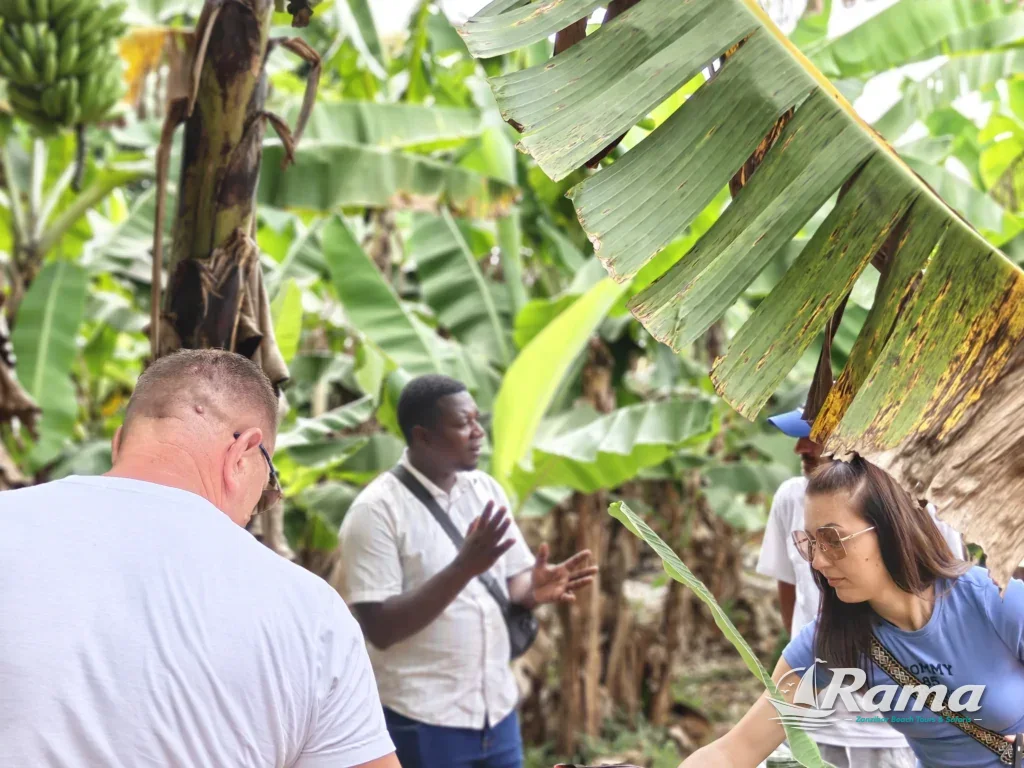
Zanzibar was once one of the world’s biggest clove producers, which is why it’s still called the Spice Island. On a spice farm tour you’ll smell, touch and taste cloves, nutmeg, cinnamon, vanilla and pepper straight from the plant, then try seasonal fruit you’ve probably never seen. It’s easy, shaded and loved by every age.
3. Spend a morning in a Swahili village
A village visit shows you everyday island life: fishermen at the morning auction, dhow builders, women farming seaweed in the shallows, coffee with a family on the baraza. It’s the experience guests most often call the highlight of their trip. Read our honest guide to Zanzibar village tours before you go.
4. Learn to cook Swahili food
Swahili cooking uses coconut, tamarind, lime and the island’s spices: think fish in coconut curry, pilau rice, chapati and cassava leaves. On the Spice Farm & Cooking Class Combo Tour you pick the spices in the morning and cook (and eat) a traditional meal with a local family afterwards. It’s the most hands-on cultural day on the island.
5. Sail at sunset on a traditional dhow
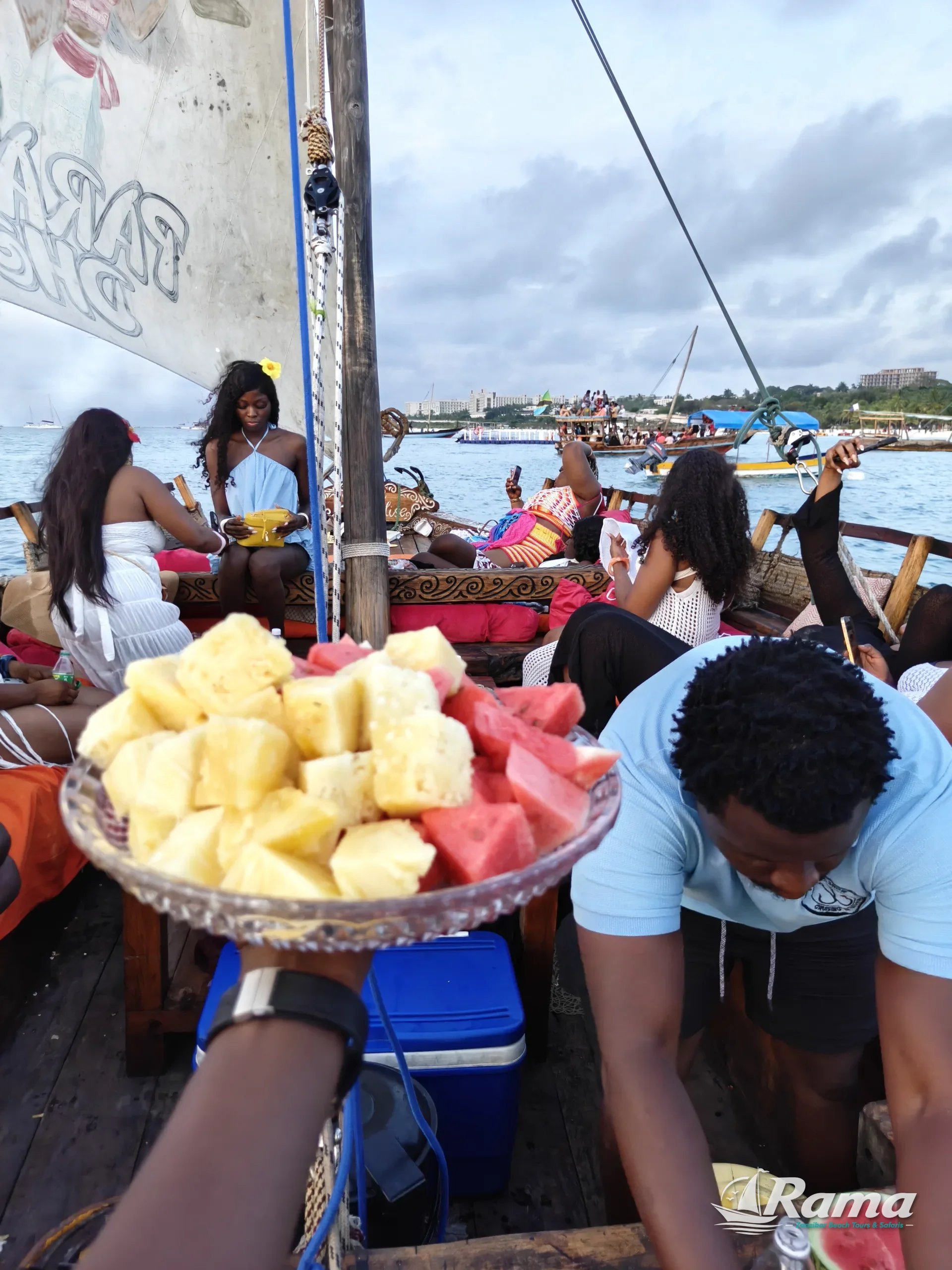
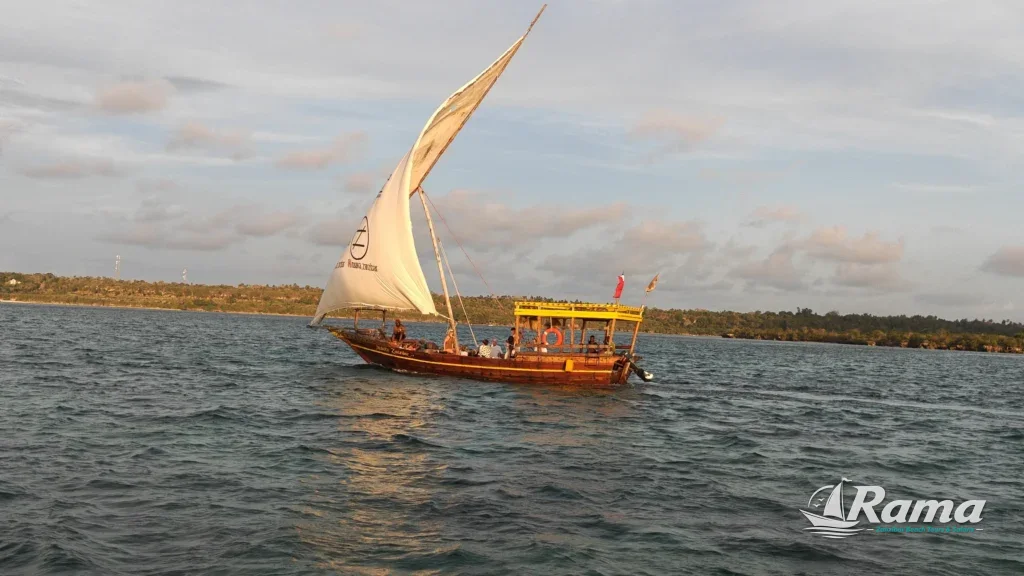
Dhows have sailed the Indian Ocean for centuries, and the triangular lateen sail is still the symbol of Zanzibar. A sunset cruise off Stone Town or Nungwi is relaxed rather than educational, but it connects you to the sea-trading culture that built the island. Our guide to the sunset dhow cruise explains what to expect.
6. Hear live taarab music
Taarab is Zanzibar’s own music: Swahili poetry sung over strings, oud, qanun and drums, with Arab, Indian and African roots. The Dhow Countries Music Academy in Stone Town, Zanzibar’s only music school, keeps it alive and hosts regular concerts. AramcoWorld’s introduction to taarab is a good primer before you go. Ask us which nights there’s a performance during your stay.
7. Eat at the Forodhani night market
Every evening the seafront gardens in Stone Town fill with grills: octopus, lobster, kebabs, sugarcane juice and “Zanzibar pizza”, a stuffed, folded pancake cooked on a hot plate. It’s lively, cheap and very local. Agree prices before you order and choose busy stalls where the food is cooked fresh.
8. Meet the Maasai at Maasai World
The Maasai aren’t from Zanzibar; they’re a mainland people, and many now work on the island. At Maasai World near the northeast coast, Maasai families share their homes, dress, beadwork, archery and the famous jumping dance. It’s interactive and great with children. Just know it shows mainland culture, not Zanzibari culture.
9. Browse Darajani market
Stone Town’s main market is where Zanzibaris actually shop: fish and meat halls, mountains of fruit, spice stalls and household goods. It’s busy and sensory, so go with a guide in the morning, keep your bag in front of you, and ask before taking photos of traders.
10. Combine the village and the old town in one day
If you want the full picture of island life, town and country, the Village Tour & Stone Town Combo Tour does both in one well-paced day. It’s ideal if you’re staying on the north or east coast and only want one long day of culture.
Which Festivals Are Worth Planning Around?
Zanzibar’s festivals are the most exciting way to see its culture, but dates move every year, so check before you book flights.
What should visitors know about Ramadan?
During Ramadan, most Zanzibaris fast from dawn to sunset. Tours, hotels and beaches all run normally, but many local restaurants close during the day and Stone Town is quieter until sunset, when it comes alive. Eat and drink discreetly in public, dress a little more conservatively and you’ll be very welcome. The evenings, and the celebrations of Eid at the end, are a special time to be on the island.
How Do You Experience Zanzibar’s Culture Respectfully?
Respect is mostly about small courtesies, and Zanzibaris notice and appreciate them.
- Greet first. Say “Jambo” or “Habari” before asking anything, and “Shikamoo” to older people.
- Dress modestly away from the beach. Cover shoulders and knees in towns, villages and markets.
- Ask before photographing people, especially women, and accept a no.
- Use your right hand to give, receive and eat.
- Keep affection private. Holding hands is fine; kissing in public isn’t.
- Buy from local makers, and bargain gently: a few dollars matter more to the seller than to you.
How can you fit culture into a beach holiday?
Plan one cultural day early in your trip, ideally from Stone Town, and one half day later on. A typical rhythm we suggest is Stone Town and Prison Island on day two, a spice farm or village morning midweek, and beach days around them. Our overview of the best tours and excursions in Zanzibar shows how cultural tours fit alongside the boat trips.
Frequently Asked Questions About Culture in Zanzibar
What is the most authentic cultural experience in Zanzibar?
A village morning is the most authentic, because you’re seeing daily life as it happens rather than a performance. A Swahili cooking class with a local family comes a close second. Stone Town is essential for history, but parts of it are geared towards visitors, so going with a local guide makes a big difference to how genuine it feels.
What language is spoken in Zanzibar?
Swahili (Kiswahili) is the main language, and it’s the language of daily life, radio, markets and mosques. English is widely spoken in hotels, restaurants and by tour guides, and many people in tourist areas also speak some Italian or other European languages. Learning a few Swahili greetings is the quickest way to make friends.
What is Zanzibar’s religion?
Around 99% of Zanzibaris are Muslim, and Islam shapes daily rhythms, from the call to prayer to Friday afternoons and Ramadan. There are also small Christian and Hindu communities, and Stone Town has historic churches and temples. Visitors of all faiths are welcome; non-Muslims generally don’t enter mosques unless invited.
Can tourists attend Sauti za Busara?
Yes. Sauti za Busara is open to everyone, with tickets on sale in advance and at the gate. The 2027 edition is scheduled for 19–21 March 2027 in Stone Town, moved from its usual February dates because of Ramadan. Hotels in Stone Town fill up quickly around the festival, so book early and confirm dates on the official Sauti za Busara website.
Is it OK to haggle in Zanzibar?
Yes, in markets and souvenir shops gentle bargaining is normal and expected. Keep it friendly, start at a fair price rather than an insulting one, and walk away politely if you can’t agree. Don’t haggle hard over very cheap handmade items, and don’t bargain in restaurants, supermarkets or for food at fixed-price stalls.
What should I wear to cultural sites in Zanzibar?
Wear loose clothing that covers your shoulders and knees: light trousers, a long skirt or dress, or knee-length shorts with a T-shirt. Carry a light scarf or kanga, which is useful for covering up and for sun. Comfortable shoes matter in Stone Town. Swimwear is for the beach and hotel only.
Are cultural tours suitable for children?
Most are. Spice farms, village visits, Prison Island and Maasai World are all very family-friendly. Stone Town is fine for children if you go early and keep it short. Cooking classes work well for older children who enjoy getting hands-on.
Final Thoughts
The best cultural experiences in Zanzibar are the ones that bring you face to face with the people who live here.
- Start with Stone Town and a spice farm for the history and the flavours
- Add a village morning or cooking class for real everyday life
- Look up Sauti za Busara and Mwaka Kogwa if your dates are flexible
- Greet people, dress modestly away from the beach and ask before photos
Our team is Zanzibari, and sharing our island’s culture is the part of the job we love most. If you’d like us to plan one or two cultural days around your beach time, send us a WhatsApp at +255 773 315 736.