Quick Answer: For Zanzibar, pack light breathable clothes plus a modest outfit for Stone Town, swimwear, reef-safe sunscreen, a hat, sandals, closed shoes and reef shoes, a light layer for evenings and boats, a Type G (UK three-pin) plug adapter, newer US dollar notes, your passport, visa and insurance documents, insect repellent and a small first-aid kit. Use a soft bag of 15 kg or less if you add a fly-in safari.
Most of the packing mistakes I see happen before guests even land. Someone arrives with a hard suitcase and a fly-in safari booked for the next morning. Someone else has a phone at 4% and no adapter that fits the socket. A couple walks the low-tide reef at Paje barefoot on day one and spends day two nursing their feet.
This guide is the full Zanzibar packing list I would give a friend. I have been guiding visitors around the island for more than ten years, and I see what people actually use on boats, in Stone Town, on spice farms and on safari. Below you will find what to pack for the whole trip: documents and money, electronics, a health kit, clothes and shoes, what to bring on each type of tour, how to pack for a safari flight, how the season changes things, and what to leave at home.
If you are still choosing your trip, our Zanzibar holiday packages show how most of these days fit together.
What Should Be on Your Zanzibar Packing List?
Your Zanzibar packing list needs four things done right: the paperwork to get in, the right money, sun and sea protection, and shoes for three different surfaces. Everything else is easy to sort out once you arrive.
What do most visitors forget?
The three things guests most often ask me to help find are a plug adapter, reef shoes and small dollar notes for tips. Adapters are sold in Stone Town but are harder to find in the beach villages. Reef shoes are sold at some beach shops, but sizes are limited. Small notes are the hardest of all, because ATMs give out Tanzanian shillings and change for a $100 note is not always available.
Which Documents and Money Should You Pack?
Pack your passport, visa approval, Zanzibar travel insurance certificate, flight and hotel confirmations, and a yellow fever certificate if your route needs one. Keep copies on your phone and one printed set apart from the originals.
- Passport: valid for at least six months after you arrive, with blank pages for the visa stamp.
- Visa: a printout of your e-visa approval if you applied online. Some nationalities can get one on arrival.
- Zanzibar travel insurance: the mandatory inbound policy for visitors. Save the certificate as a PDF and screenshot it.
- Yellow fever certificate: only needed if you arrive from, or transit through, a country with yellow fever risk.
- Bookings: hotel, transfer and tour confirmations saved offline, because signal can drop at sea and in some villages.
Our first-time visitor’s guide to Zanzibar explains the visa and insurance steps in order, so you can tick them off weeks before you pack.
How much cash should you bring?
Bring US dollars in newer, clean and untorn notes, plus one bank card and a backup card. Older or marked notes are often refused, even in hotels. Carry a mix of notes: a few $50 or $100 notes for the best exchange rate, and a stack of $1, $5 and $10 notes for tips, small purchases and drinks.
Keep cards for hotels and larger restaurants. Taxis, markets, spice farm stalls and beach bars usually want cash. ATMs are easy to find in Stone Town and near the airport but rarer on the coast, so take out what you need before you head to the beach.
What Electronics Should You Bring to Zanzibar?
Bring a Type G plug adapter, a power bank, a waterproof phone pouch and a phone that can take a local SIM or eSIM. Zanzibar uses the same three-pin sockets as the UK at 230 volts, according to the IEC World Plugs guide.
- Type G adapter: bring two if you travel with someone. One per bed is the difference between a charged and a dead phone.
- Power bank: full-day tours and safari game drives mean long hours away from a socket.
- Waterproof phone pouch or dry bag: spray on the boat is the most common way phones die here.
- Head torch or small torch: useful for evening walks on unlit beach paths and for short power cuts in some villages.
- Camera with zoom: worth it for dolphins and safari. For snorkeling, an action camera or a phone in a proper housing works best.
Can you bring a drone to Zanzibar?
Only with permits. The Tanzania Civil Aviation Authority says anyone travelling with a drone must apply for an import permit at least three weeks before arrival, and flying it needs separate permission. Drones arriving without paperwork can be held at the airport. For most holidays, I suggest leaving the drone at home.
What Should Go in Your Travel Health Kit?
Pack insect repellent, reef-safe sunscreen, after-sun, rehydration salts, seasickness tablets, plasters, antiseptic and any prescription medicine in its original packaging. Pharmacies in Stone Town are well stocked, but beach areas have fewer options and brands you may not recognise.
- Insect repellent: mosquitoes are most active at dusk and after rain. Speak to a travel clinic about malaria prevention before you go, as advised by the CDC’s Tanzania travel health page.
- Sun protection: high-factor reef-safe sunscreen, lip balm with SPF and after-sun or aloe.
- Stomach care: rehydration sachets and your usual remedy. Drink bottled or filtered water, and bring a refillable bottle, since many hotels have filtered water stations.
- Seasickness tablets: take them before the boat leaves, not once you feel unwell.
- Small first-aid basics: plasters, antiseptic wipes and tweezers for coral scrapes or splinters.
Why does reef-safe sunscreen matter here?
Zanzibar’s reefs are the reason most people visit, and common sunscreen ingredients such as oxybenzone can harm coral, as explained by NOAA. Bring a mineral sunscreen based on zinc oxide and put it on 20 minutes before you get in the water. For a full boat-day checklist, see our guide on what to bring on a Zanzibar boat and snorkeling trip.
What Clothes Should You Pack for Zanzibar?
Pack light cotton or linen clothes for heat, swimwear for the beach, at least one outfit that covers shoulders and knees for Stone Town and villages, and one light layer for evenings and early boat rides. Zanzibar is a mostly Muslim island, so beachwear stays on the beach.
A simple one-week list works for most guests:
- 5 to 6 light tops, including two that cover the shoulders
- 2 pairs of long, loose trousers or a long skirt or dress
- 2 pairs of shorts for the beach and hotel
- 2 swimsuits, so one can dry
- A sarong or kanga, which doubles as a cover-up, scarf and towel
- A light long-sleeved shirt or rash guard for snorkeling
- A thin fleece or jumper for June to August evenings and early boats
- A packable rain jacket from March to May and in November
Our guide on what to wear in Zanzibar covers the dress code in detail, including mosques, Ramadan and the beach.
How many pairs of shoes do you need?
Three pairs cover everything. Sandals or flip-flops for the beach and hotel. Closed trainers for Jozani Forest, quad biking, safari and long walks in Stone Town. Reef or water shoes for low tide on the east coast, where sea urchins and sharp coral hide in the seagrass around Paje, Jambiani and Michamvi, and for slippery cave steps.
What Should You Pack for Each Type of Tour?
What you carry on the day depends on where you are going. Boat days need sea protection, town and farm days need modest clothes and closed shoes, and safaris need layers and a soft bag.
Boat and snorkeling days
On our Mnemba Island snorkeling trip we provide masks, fins and life jackets, so you only need swimwear, a towel, sunscreen, a light layer for the early crossing and a dry bag for your phone. The full-day Safari Blue tour is longer in the sun, so add a hat that ties on, more water and a spare dry top for the ride home.

Stone Town, spice farm and forest days
For the Stone Town walking tour, wear light clothes that cover shoulders and knees, and comfortable shoes for narrow, uneven streets. Bring small notes if you want to buy spices, soaps or coffee at the farm. For the Jozani Forest tour, add closed shoes and insect repellent, since the mangrove boardwalk and forest paths can be damp.

Evenings and sunset cruises
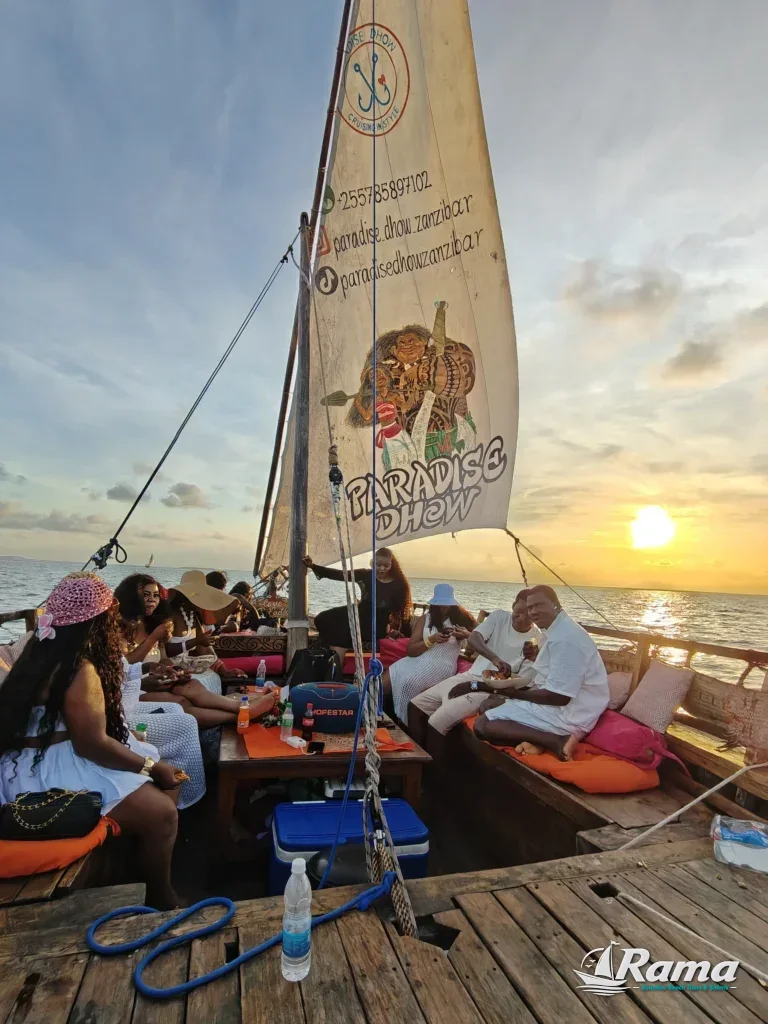
The sea breeze picks up after sunset, especially from June to September. On a sunset dhow cruise a thin layer and a scarf make the ride back far more comfortable. Most restaurants on the island are relaxed, so smart-casual clothes are enough for dinner.
Cave swimming and quad biking
For cave swimming in Zanzibar, bring swimwear, a towel, a change of clothes and water shoes for the steps. For the Zanzibar quad biking tour, wear closed shoes, long light trousers and sunglasses, and expect to get dusty.
How Should You Pack for a Safari From Zanzibar?
Pack one soft bag of no more than 15 kg, including hand luggage, and leave your main suitcase in Zanzibar. Our safaris from Zanzibar fly on light aircraft, and operators such as Coastal Aviation set a 15 kg limit and ask for soft-sided bags so they fit in the small hold.
For a safari bag, pack:
- Neutral clothes in khaki, beige, olive or grey
- A warm fleece and long trousers for early game drives, as the Ngorongoro crater rim is cold before sunrise
- A hat, sunglasses, sunscreen and lip balm
- Binoculars and a camera with a zoom lens
- A scarf or buff for dust on the roads
- Insect repellent, a power bank and your medicines
Even on the Mikumi day trip safari from Zanzibar, the same baggage rules apply, so take only a small day bag.
Can you leave your luggage in Zanzibar during a safari?
Yes. Most hotels store bags for guests who are coming back, so ask yours when you book. If you are changing hotels after the safari, tell us and we will plan the transfer around your luggage. Our guide to getting around Zanzibar explains how hotel-to-hotel moves work.
Does the Season Change What You Should Pack?
Yes. Zanzibar is warm all year, but rain, wind and evening temperatures change what you need. The core list stays the same; the extras shift.
For month-by-month sea and weather conditions, see our guide to the best time to visit Zanzibar.
What Should You Leave at Home?
Leave plastic carrier bags, military-style camouflage clothing, an unpermitted drone, a hard suitcase if you are flying to a safari, and valuables you would hate to lose.
Are plastic bags banned in Zanzibar?
Yes. Tanzania banned plastic carrier bags in 2019, and Zanzibar had its own ban before that. Bags can be checked at the airport, and carrier bags found in luggage may be taken away. Pack shoes, laundry and toiletries in fabric or reusable pouches instead.
Why leave camouflage at home?
In Tanzania, camouflage patterns are associated with the military, and visitors are advised not to wear them. It is an easy item to swap for plain khaki or olive.
What Can You Buy Once You Arrive?
You can buy sarongs, kangas, sandals, hats, basic toiletries, a local SIM card and snacks in Zanzibar, so there is no need to pack for every possibility. Stone Town has the widest choice, including pharmacies, phone shops and the Darajani market.
Two things are worth bringing from home. Reef-safe sunscreen is expensive here and the choice is small. Prescription and specialist medicines may not be available in the brand you use. Beach areas such as Nungwi, Kendwa and Paje have small shops, but prices are higher and stock runs low in peak season.
What Do I Tell Guests the Night Before a Tour?
Pack a day bag the night before and keep it separate from your main luggage. Pickups are often early, and the guests who are ready at the gate get the calmest start.
- Put your phone, cash and sunglasses in one zipped pocket you can reach without unpacking.
- Wear your swimsuit under your clothes on boat days, so you are ready to get in the water at the reef.
- Bring a plastic-free wet bag for swimwear and towels on the way home.
- Carry a little more water than you think you need, especially on full-day tours.
- Keep tips in small notes in a separate pocket, so you are not opening your wallet on the boat.
If you are not sure what a specific tour needs, message us on WhatsApp the day before. We will tell you exactly what is provided and what to bring.
Frequently Asked Questions About Packing for Zanzibar
What should I pack for a week in Zanzibar?
For a week in Zanzibar, pack 5 to 6 light tops, 2 pairs of long loose trousers or a long skirt, 2 pairs of shorts, 2 swimsuits, a sarong, a light layer and three pairs of shoes: sandals, closed trainers and reef shoes. Add reef-safe sunscreen, a hat, insect repellent, a Type G adapter, a power bank, a dry bag and US dollars in newer notes. Most hotels offer laundry, so you do not need more than this, even for ten days.
Do I need a plug adapter in Zanzibar?
Yes, unless you are coming from the UK, Ireland or another country that uses Type G sockets. Zanzibar uses three-pin Type G plugs at 230 volts. Most phone and laptop chargers handle 230 volts, but check hair dryers and straighteners from countries that use 110 volts. Bring the adapter with you, because they are harder to find outside Stone Town.
Should I bring US dollars to Zanzibar?
Yes. US dollars are widely accepted for tours, hotels and transfers, and many prices are quoted in dollars. Bring newer, clean, untorn notes, since older or damaged ones are often refused. Carry small notes for tips and small purchases, and pay with Tanzanian shillings in local shops and markets, where you usually get a better price.
Do I need reef shoes in Zanzibar?
They are strongly recommended if you stay on the east coast or plan to walk at low tide. At Paje, Jambiani, Michamvi and Matemwe, the tide goes out a long way and leaves seagrass, rock and sea urchins. Reef shoes are also useful on cave steps and when getting in and out of boats in shallow water. Nungwi and Kendwa have softer sand and need them less.
Is insect repellent necessary in Zanzibar?
Yes. Mosquitoes are most active at dusk and after rain, and Zanzibar is in a malaria region. Use a repellent with DEET or picaridin, especially in the evening, and wear light long sleeves at dinner. Speak to a travel clinic before you go about whether you need malaria tablets for your trip.
How much luggage can I take on a safari flight from Zanzibar?
Usually 15 kg per person, including hand luggage, in a soft-sided bag. Light aircraft have small holds, so hard suitcases may not fit and excess weight can be refused or charged. Your exact allowance is confirmed when you book. Leave your main suitcase at your Zanzibar hotel and take only what you need for the safari nights.
Can I get laundry done in Zanzibar?
Yes. Most hotels and guesthouses offer laundry, often returned the same or next day, and there are laundry services in Stone Town and the main beach villages. This is why packing light works well here. Quick-dry fabrics help too, because you can rinse a top in the evening and wear it again the next day.
What should I pack for Zanzibar in the rainy season?
For March to May and November, add a packable rain jacket, quick-dry clothes, sandals that can get wet and a dry bag for electronics. Rain usually comes in heavy showers rather than all day, so you still get sunny hours. Bring extra insect repellent, as mosquitoes increase after rain, and keep some flexibility in your plans for boat trips.
Final Thoughts
A good Zanzibar packing list is short. The guests who enjoy the island most travel light and pack for heat, sun, sea and respect for local culture. The key points:
- Sort your passport, visa, insurance and newer US dollar notes before anything else.
- Pack reef-safe sunscreen, a hat, repellent, a Type G adapter and a dry bag.
- Bring three pairs of shoes: sandals, closed trainers and reef shoes.
- Keep one modest outfit for Stone Town and villages, and one light layer for evenings.
- Use a soft bag of 15 kg or less if you are flying on safari.
If you want to check what a tour includes or what to bring for your dates, send us a message on WhatsApp at +255 773 315 736. One of our local team will reply with practical advice for your trip and help you plan the days ahead.